

Preventing Costly Repairs Through Proper European Vehicle Maintenance
Taking care of your European vehicle is about more than just routine check-ups; it’s an integral part of ensuring its longevity and performance. You might think that you can wait until something goes wrong before addressing maintenance, but this can lead to costly repairs that could have easily been avoided. Engage actively in European Vehicle Maintenance, and you’ll not only save money in the long run but also enhance your driving experience.
Start by making a schedule for regular inspections. Depending on the model and make of your vehicle, this could range from every 5,000 to 10,000 miles. During these inspections, pay special attention to the oil changes, as European vehicles often require synthetic oil to perform optimally. Neglecting oil changes can lead to engine wear and tear, which is both expensive to fix and detrimental to your vehicle’s performance. Furthermore, check the condition of your brake pads and rotors regularly; they can wear out faster than you expect, especially in urban driving conditions.
Tires are another crucial aspect of European Vehicle Maintenance. Ensure that your tires are properly inflated and aligned. Under-inflated tires not only affect fuel efficiency but can also lead to uneven wear, resulting in the need for premature replacements. Rotate your tires as recommended to extend their lifespan and improve handling. Additionally, don’t forget to inspect the tread depth; bald tires can significantly compromise your safety on the road.
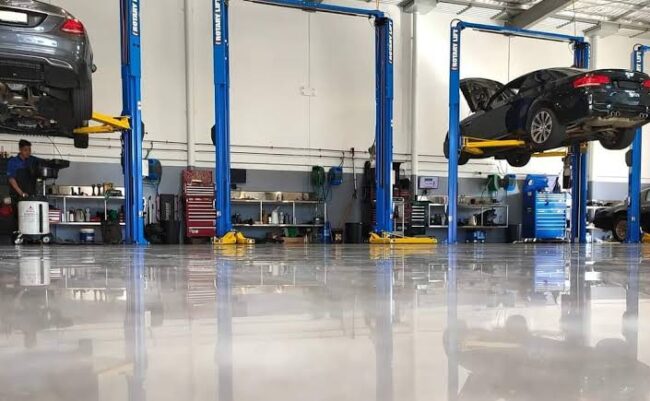
Another often-overlooked component is the vehicle’s fluid levels. Beyond just oil, your European vehicle relies on various fluids, including coolant, transmission fluid, and brake fluid. Regularly checking and replacing these fluids can prevent overheating or mechanical failure, which can be much more costly to repair. If you are unsure about how to check these levels or when to replace them, consult your owner’s manual or a trusted mechanic.
Let’s not forget the importance of using quality parts during any repairs or replacements. Although it might be tempting to opt for cheaper, generic alternatives, they often don’t meet the stringent standards set for European vehicles. Investing in high-quality parts will pay off in the long run as they can enhance performance and durability, ultimately saving you from future headaches and expenses.
In conclusion, proactive European Vehicle Maintenance is key to avoiding expensive repairs down the line. By sticking to a regular maintenance schedule, checking fluid levels, and ensuring that you use quality parts, you’re not just preserving your vehicle; you’re also enabling a safer and more enjoyable driving experience. Take these measures seriously, and you’ll find that your European vehicle will serve you well for many years to come.